In our previous guide, How to import goods from China for the first time, we walked you through the full end‑to‑end importing workflow for new buyers. One of the very first and most critical steps in sourcing is locating trustworthy suppliers. Many first‑time importers assume Alibaba is the only option, but there are multiple established ways to connect with Chinese manufacturers and exporters. These include international B2B marketplaces, offline trade shows, domestic Chinese wholesale platforms, sourcing agents, peer referrals and social media / search channels.
No single sourcing channel works for everyone. The best fit depends on whether you are an Amazon seller, Shopify store owner, brick‑and‑mortar retailer, or someone placing custom OEM or large industrial orders. Each channel comes with distinct supplier profiles, cost structures, minimum order expectations and risk factors.
This article breaks down six major sourcing channels, covering their key advantages, drawbacks, ideal buyers and common pitfalls. A consolidated comparison table is included for quick reference.
Important disclaimer: No platform or trade show can guarantee a reliable supplier by itself. A channel is only a gateway to contact potential vendors. Supplier due diligence, factory verification, sample approval, pre‑shipment inspection and compliance checks are always mandatory.
1. Alibaba.com
Alibaba.com is the most well‑known Chinese B2B platform among overseas buyers and the default starting point for most first‑time importers.
✅ Pros
- Massive supplier database covering nearly every product category, including home goods, outdoor items, pet products, electronics and promotional gifts.
- English‑language interface and built‑in RFQ system, with a low learning curve for new buyers.
- Trade Assurance program offers order protection and platform mediation for eligible disputes.
- Supplier tiering and verification options: Gold Supplier, Verified Supplier, plus third‑party factory audit reports on many profiles.
- Flexible payment options such as T/T wire transfer and credit card; friendly for sample orders and small trial runs.
❌ Cons
- A large number of “factory” profiles belong to trading companies rather than direct manufacturers.
- Export pricing is generally higher than equivalent listings on China’s domestic 1688 platform.
- Severe homogenisation and price competition; product quality varies widely.
- Some suppliers advertise inflated MOQs and refuse very small trial orders.
- Platform checks are only basic. Fake or reused test certificates are still occasionally seen.
🎯 Best for: First‑time US / EU / UK importers, small and medium sellers, multi‑product trial sourcing, buyers wanting platform payment protection, and teams without Chinese‑speaking support.
⚠️ Key red flag check: Do not trust “Factory” labels at face value. Request video factory tours, business licences and product‑specific test reports.
2. Made‑in‑China & Global Sources
These two platforms have a different positioning compared to Alibaba, with a stronger focus on industrial goods, machinery and electronics.
✅ Pros
- Stricter supplier screening; many vendors host SGS, BV or other third‑party on‑site audit records.
- Global Sources is especially strong for consumer electronics and established export manufacturers. Made‑in‑China excels in machinery, hardware, building materials and industrial components.
- Most suppliers have long‑term B2B export experience and are familiar with Western compliance standards such as CE and RoHS.
- Buyer competition is less saturated than on Alibaba, so RFQs often attract higher‑quality responses.
❌ Cons
- Far fewer trending consumer goods, novelties and gift items compared to Alibaba.
- No built‑in escrow or trade assurance system comparable to Alibaba’s Trade Assurance.
- Suppliers usually set higher MOQs and prioritise large, stable bulk orders.
- Website usability is less polished, and reply speeds can be inconsistent.
🎯 Best for: Buyers sourcing industrial parts, machinery, hardware and electronic hardware for long‑term bulk contracts.
⚠️ Key red flag check: The platform only hosts supplier documentation and does not cover payment risk. Clearly define payment milestones to protect your funds.
3. 1688.com
1688 is China’s dominant domestic wholesale marketplace. It was built for local Chinese buyers and hosts huge numbers of small manufacturers.
✅ Pros
- Some of the lowest available pricing; identical products can be 10%–30% cheaper than listings on Alibaba.com.
- Extremely dense manufacturing base with countless small workshops, custom fabricators and component suppliers.
- Highly flexible MOQs; many vendors support sampling, small‑batch production and custom modifications.
- Exceptional range for Yiwu‑style small commodities, apparel accessories, packaging parts and hardware components.
❌ Cons
- Fully Chinese interface; most sellers do not speak English.
- Sellers are not set up for export and often lack familiarity with commercial invoices, CE/FCC labelling and international shipping documentation.
- No buyer protection framework designed for overseas importers; platform rules serve domestic Chinese customers.
- Many factories do not hold export rights and require an agent to handle customs clearance and freight.
- Higher concentration of low‑quality workshops and untrustworthy vendors, requiring careful filtering.
🎯 Best for: Experienced buyers with a trusted sourcing agent or Chinese‑speaking support, those chasing aggressive cost savings, and repeat orders for small parts or accessories.
⚠️ Key red flag check: 1688 is not recommended for solo first‑time importers. Always work with an experienced local agent if you source here.
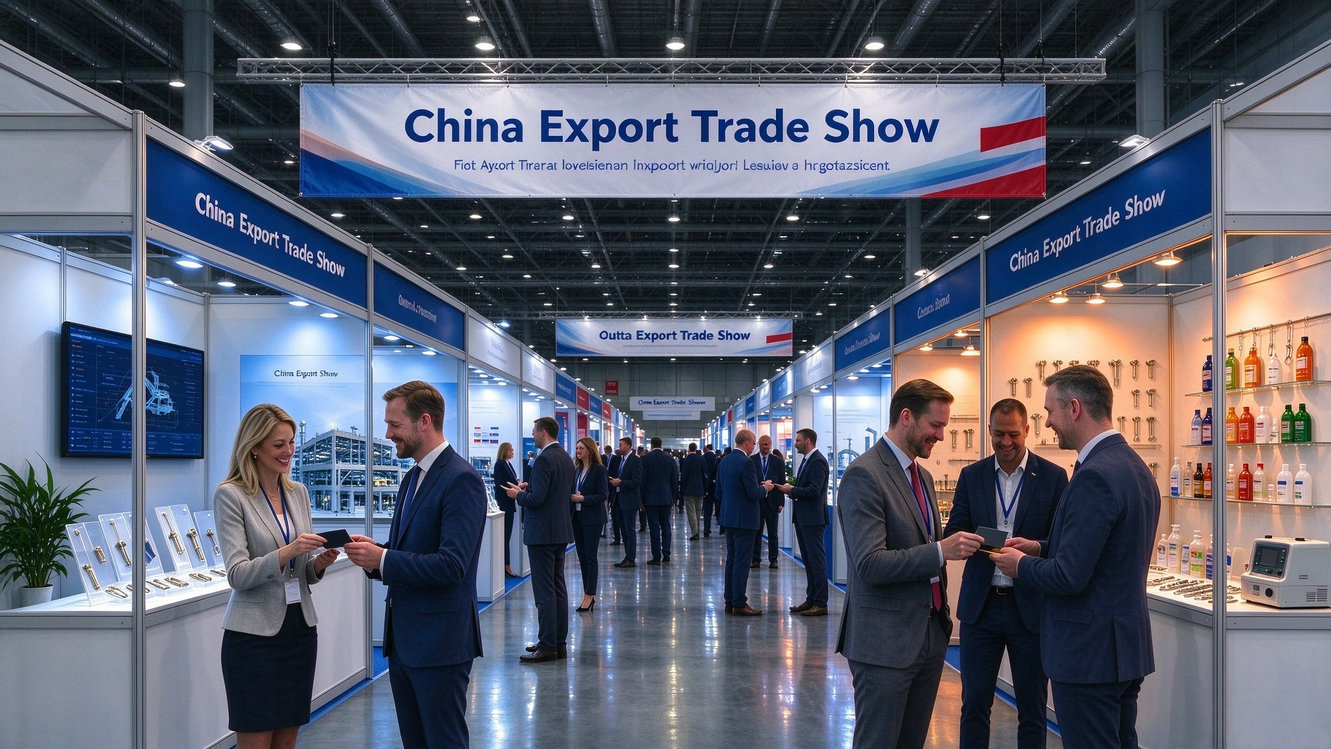
4. Offline Trade Shows (Canton Fair, Yiwu Fair & Industry‑Specific Exhibitions)
The Canton Fair in Guangzhou is China’s largest export trade show and runs twice per year. Other popular options include the Yiwu Commodities Fair and vertical expos for furniture, electronics and machinery.
✅ Pros
- You can physically inspect samples, examine build quality and speak directly with sales or factory management.
- Opportunity to compare dozens of competing suppliers side‑by‑side in a short window.
- Most exhibitors hold formal export qualifications, filtering out many purely online shell scammers.
- Face‑to‑face communication builds trust far faster than email or chat conversations.
❌ Cons
- High travel costs: flights, accommodation, visas and time away from your business.
- Fixed annual schedules; you cannot visit whenever you need a new supplier.
- Trading companies also rent booths and market themselves as manufacturers.
- Few orders are finalised on site; most interactions only exchange contacts for follow‑up.
- Long days and crowded halls can quickly become exhausting.
🎯 Best for: Buyers with travel budget, sourcing high‑value custom goods, products with strict craftsmanship requirements, and importers willing to visit China in person.
⚠️ Key red flag check: Collect samples and business cards at the show, but complete full due diligence after returning home. Never pay deposits based only on a booth conversation.
5. Sourcing Agents
A sourcing agent is a local China‑based service provider who finds, audits and coordinates suppliers on your behalf. Typical services include price negotiation, factory audits, order follow‑up, pre‑shipment QC and logistics coordination.
✅ Pros
- Native Chinese language skills and deep knowledge of industrial clusters such as Yiwu, Wenzhou, Dongguan and Shenzhen. Agents can source excellent factories that do not list on B2B platforms.
- They negotiate pricing, verify paperwork, conduct on‑site factory visits and run inspections before shipment.
- Able to connect you with capable 1688 suppliers that lack export infrastructure.
- Reduce miscommunication caused by language and cultural gaps; helpful for complex OEM moulding and mixed‑container orders.
❌ Cons
- Service fees are standard: usually 3%–8% of the order value, or fixed project fees.
- The industry is unregulated, and quality varies dramatically. Unethical agents may accept kickbacks from factories.
- Agent fees can eat into profit margins for very small orders.
- Your agent does not absorb legal compliance liability; you remain the importer of record.
🎯 Best for: Non‑Chinese speakers, buyers running custom moulding projects, 1688 sourcing, importers with limited time for production follow‑up, and consolidated multi‑item shipments.
⚠️ Key red flag check: Review past client references within your product niche. Sign a formal service agreement that defines fees, inspection standards and anti‑kickback terms.
6. Peer Referrals, Google Search & LinkedIn
✅ Pros
- Referrals from fellow importers are widely considered the most trusted source, as another buyer has already vetted the supplier.
- Google and LinkedIn help you discover specialised manufacturers that do not invest in B2B platform advertising.
- No platform‑driven markup; many niche factories focus exclusively on specialised production.
- Ideal for highly specialised, low‑volume or hard‑to‑source products.
❌ Cons
- Reliable leads are inconsistent and opportunistic rather than scalable.
- Many of these factories do not actively market overseas, so response rates and export readiness can be poor.
- Zero platform safeguards; you carry the full risk of payment and quality control.
🎯 Best for: Established importers in niche verticals and buyers looking for highly custom, specialised products.
Sourcing Channel Comparison Table
| Channel | Core Strengths | Main Drawbacks | Typical MOQ | Suitable for Beginners | Risk Level | Best Product Types |
|---|---|---|---|---|---|---|
| Alibaba.com | Huge product range, English interface, Trade Assurance protection | Many trading companies, higher export pricing | Medium | ✅ Recommended | Medium | General consumer goods, home, outdoor, pet, gifts |
| Made‑in‑China / Global Sources | Strict supplier audits, long‑term established exporters | Limited consumer goods, no built‑in escrow | Higher | ⭕ For experienced buyers | Medium | Machinery, hardware, industrial parts, electronics |
| 1688.com | Lowest pricing, abundant small factories, flexible MOQ | Chinese only, no export support, no overseas buyer protection | Low | ❌ Not recommended for new solo importers | High | Small commodities, accessories, components (with agent) |
| Canton Fair & Trade Shows | In‑person sample review, direct face‑to‑face discussion | Expensive travel, fixed event dates | Higher | ⭕ If travel budget allows | Low (still requires due diligence) | High‑value custom goods, large items, craft‑intensive products |
| Sourcing Agent | Local market access, factory audits, QC and language support | Service commission, variable agent reliability | Flexible | ⭕ Good for complex orders | Medium | OEM moulding, mixed SKUs, complicated custom projects |
| Referrals / Google / LinkedIn | Pre‑validated vendors, niche specialist manufacturers | Hard to find, no platform protection | Variable | ⭕ For seasoned importers | High | Rare, niche and highly customised goods |
How to Choose: Quick Decision Guide
- First import, small trial order, no Chinese support → Start with Alibaba.com and place orders under Trade Assurance.
- Industrial equipment, hardware or component sourcing → Made‑in‑China or Global Sources.
- Cost‑focused small commodity sourcing and you can hire an agent → 1688 paired with a reliable sourcing agent.
- Large custom orders, high craftsmanship requirements and travel budget → Canton Fair leads, followed by online verification.
- OEM tooling, multiple SKUs and limited time for production tracking → Hire a professional sourcing agent.
- Extremely niche or specialised products → Google, LinkedIn and industry community referrals.
Frequently Asked Questions
Q: Which channel has the least scams?
A: No channel is zero‑risk. The lowest‑risk workflow combines leads from trade shows, document verification, third‑party pre‑shipment inspection and carefully staged payment terms. Platform coverage adds safety layers but never replaces supplier vetting.
Q: Can I use multiple sourcing channels at the same time?
A: Yes, and it is common practice among seasoned importers. Many buyers use Alibaba to quickly sample options, attend trade shows for deep relationship building, and use agents to source low‑cost goods from 1688. Channels complement each other.
Q: Are trading companies worse than direct factories?
A: Not always. For small orders and mixed SKUs, a competent trading company often offers smoother communication, better documentation and lower minimums. What matters most is consistent quality and on‑time delivery matching your specifications — not whether the supplier owns the factory building.
Closing Thoughts
Finding suppliers in China is far more than sending out a few messages on a website. Each sourcing channel comes with its own cost model, supplier profile and risk profile. Your most efficient sourcing strategy matches the channel to your order size, product category, budget, language capability and time you can dedicate to vetting.
Once you select your sourcing channels, the next critical step is formal supplier due diligence: verifying factory legitimacy, business licences and compliance certificates to build a stable long‑term supplier base.